Archive for the ‘Uncategorized’ Category

The Hidden Danger of Prescription Drug Addiction: Why ‘legal’ doesn’t mean ‘safe’
Quick Overview

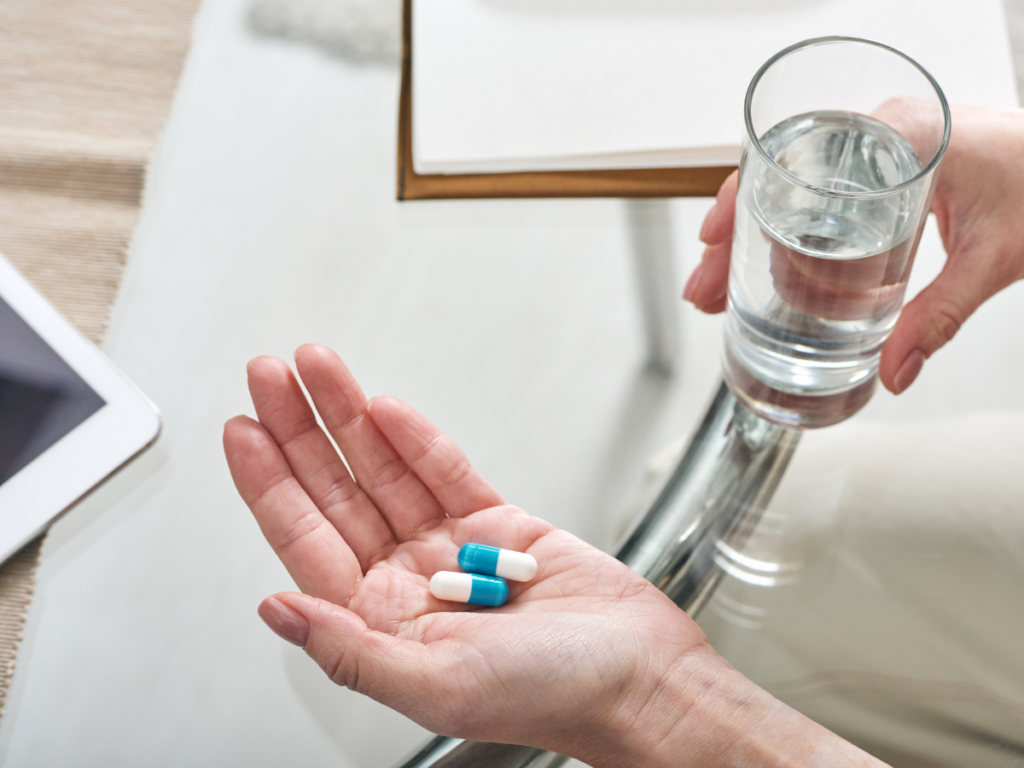
A prescription drug addiction happens subtly, and the prescription itself is not a guarantee of safety. Some of the most dependency forming drugs in the UK are ones that come through official channels – including opioid painkillers, benzodiazepines, and sleeping pills. If you have started to worry that your medication has become a problem, you are not alone, and you have not done anything wrong. An addiction specialist can help you work out where you stand and move forwards. 

It Started With a Prescription

Your legitimate prescription might have been something to manage pain, or help you sleep, or calm your anxiety. Now you rely on it more than you expected, and a nagging worry has crept in about whether that reliance has become something more.

This is a common scenario; in my 21 years as an addiction therapist I have worked with many people who never expected to find themselves here. In this article I’ll explain why prescription drugs can be deceptively risky, how to tell if your use has tipped into a problem, and who to talk to.

There is a common assumption that if a doctor prescribed something, it must be safe to keep taking. That assumption is what makes prescription drug addiction so easy to miss. The medical endorsement that comes with a prescription builds trust, and that trust can mask a growing dependency.

Several widely prescribed medications carry a genuine risk of dependency when taken over time. These include:

  • Opioid painkillers such as codeine, tramadol, and morphine
  • Benzodiazepines such as diazepam and temazepam, often prescribed for anxiety
  • Gabapentinoids such as pregabalin, used for nerve pain
  • Sleeping pills such as zopiclone and zolpidem

Research from the University of Bristol, published in the journal Addiction, found that one in 10 patients prescribed opioid painkillers went on to show signs of dependency. These are not recreational substances bought on a street corner. They are handed over at a pharmacy counter, which is exactly why the danger is so easy to overlook.

How Prescription Drug Addiction Creeps Up on You

Prescription drug addiction rarely begins with a decision to misuse anything. More often, it develops slowly. Your body adjusts to the medication, so the original dose stops having the same effect. You may need a little more to manage the pain or to sleep. The health problem that led to the prescription might ease, but the medication stays in your life. 

The thought of stopping starts to feel frightening, not because you are weak, but because your body and mind have adapted to having it there. None of this makes you a failure. It makes you human, responding in a predictable way to a habit forming substance. Understanding that can lift some of the shame, and shame is often the thing that keeps people from asking for help.

How to Tell if Your Medication Has Become a Problem

The most straightforward way to find out whether your prescription use has become a problem is an honest conversation with an addiction specialist. But there are some signs you can reflect on yourself.

You might recognise one or more of these feelings:

  • Needing more of the medication to get the same relief
  • Feeling anxious or panicked at the thought of running out
  • Taking it for reasons beyond what it was prescribed for, such as to cope with stress or low mood
  • Hiding how much you take, or how often, from people close to you
  • Continuing to take it well past the point the prescription was meant to end

Noticing these things does not automatically mean you have an addiction. What it means is that it would be worth talking to someone who can help you look at it clearly and without judgment.

Stopping Sleeping Pills and Other Prescription Drugs Safely

If you have decided you want to stop, there are medical considerations you need to know first. Coming off certain prescription drugs, particularly benzodiazepines and sleeping pills such as zopiclone and zolpidem, can be medically risky if done suddenly or without support. Stopping abruptly can cause serious withdrawal effects.

For this reason, you should always involve the GP who prescribed your medication before making any changes. They can help you reduce the dose gradually and safely.

I can help you alongside that medical process. Working together, we look at why the reliance took hold in the first place, what the medication was doing for you emotionally as well as physically, and how you build a life that no longer needs it. The taper handles the body, and the therapy manages everything underneath.

Who to Talk to in Guildford

My name is Peter Davies, and I run Addiction Care from the centre of Guildford, Surrey. I offer confidential one-to-one sessions, face to face or online via Zoom, for people worried about prescription drugs and every other kind of addiction.

If you are not sure whether you have a problem, we can start with an assessment and work it out together. There is no pressure and no judgment. I also offer a Family Programme for those affected by someone else’s use.

To make the first step, call 01483 533808 or get in touch through addictioncare.co.uk. Reaching out is a brave initiative, and it is one I would be glad to help you take.

Frequently Asked Questions

Who can help with a prescription drug addiction in Guildford?

At Addiction Care, based in central Guildford, we work with people experiencing dependency, including to prescription drugs. As an addiction specialist with 21 years of experience, I offer confidential one-to-one therapy face to face in Guildford or online through Zoom. If your medication has come from your GP but you are worried about your reliance on it, this is something I can help you with.

How do I know if my prescription medication has become a problem?

Some common signs include needing higher doses for the same effect, feeling anxious about running out, taking the medication for reasons beyond its original purpose, or hiding your use. None of these on its own confirms an addiction. The clearest way to know is to talk it through with an addiction specialist who can assess your situation honestly and help you decide what, if anything, to do next.

Can a therapist in Guildford help me stop taking sleeping pills?

Yes, though safely stopping sleeping pills usually involves two things working together. Your prescribing doctor should oversee any reduction in dose, because stopping suddenly can be harmful. Alongside that, therapy addresses why the reliance developed and helps you move towards sleep without medication. I offer this support in Guildford and online.


Private One-to-One Addiction Therapy in Guildford, Surrey

Do I Have an Addiction – and Where Can I Get Help?

My name is Peter J Davies, and I am an addiction specialist and therapist based at Addiction Care in Guildford, Surrey. For more than 20 years, I have worked one-to-one with people experiencing problems with alcohol, drugs, gambling and other addictive behaviours, as well as with their partners and families.

One of the most common questions I hear is surprisingly simple:

“Do I actually have an addiction?”

People rarely arrive at my consulting room with everything neatly worked out. More often, they know that something isn’t right. Drinking may have increased. Cocaine use that started occasionally has become more frequent. Gambling may be creating financial problems. A partner may have become concerned. Or somebody may simply have reached the point where they are tired of repeatedly promising themselves that things will change.

If you are asking yourself whether you have a problem, talking confidentially to an experienced addiction therapist can be a useful first step.

Private Addiction Counselling in Guildford

At Addiction Care, I provide private, confidential, one-to-one addiction counselling in Guildford, working with clients from across Surrey and further afield.

I believe addiction treatment should be personal. Two people may be using exactly the same substance but have completely different histories, circumstances and reasons for using it. Treatment therefore needs to understand the individual rather than simply focusing on the substance.

Over the course of my career, I have accumulated more than 30,000 clinical hours working with addiction and related problems.

I also understand recovery from another perspective. I have been in continuous recovery myself since February 2002. That personal experience does not replace professional training or clinical experience, but it does mean that I understand something about addiction and recovery from both sides of the therapeutic relationship.

Do I Need to Go Into Rehab?

Another question I am frequently asked is:

“Do I need residential rehabilitation?”

For some people, residential treatment is absolutely appropriate. However, not everybody with an addiction problem needs to enter rehab.

Depending upon the substance involved, the severity of the problem, physical dependence, medical considerations and the person’s circumstances, private outpatient addiction therapy may be an alternative.

This allows somebody to continue living at home and, where appropriate, continue working and maintaining family responsibilities while receiving structured one-to-one therapeutic support.

Where there is physical dependence, however, stopping certain substances suddenly can be dangerous. Appropriate medical advice or a medically supervised detoxification may be necessary before or alongside therapy.

Alcohol, Cocaine, Drugs and Gambling

People contact Addiction Care for many different reasons.

Some are looking for an alcohol therapist in Guildford because drinking has gradually become difficult to control. Others are seeking help with cocaine addiction, recreational drug use that has escalated, prescription or other drug problems, or gambling addiction.

I also work with people who have achieved periods of abstinence but are concerned about relapse.

The objective isn’t simply to tell somebody to stop.

Effective addiction therapy involves understanding what maintains the addictive behaviour, recognising triggers and patterns, developing strategies for dealing with cravings and difficult situations, and building a life in which alcohol, drugs or gambling no longer have the same function.

Help for Families and Partners

Addiction rarely affects only one person.

Partners, parents and other family members can find themselves living with secrecy, arguments, broken promises, financial difficulties and considerable uncertainty about what they should do.

I therefore also provide support for families affected by addiction in Guildford and Surrey.

Sometimes the person with the addiction is not ready to seek help, but their family is. Supporting the family can be valuable in its own right and can help them understand the difference between genuinely supporting somebody and unintentionally enabling addictive behaviour.

A Confidential First Conversation

If you are searching for a private addiction therapist in Guildfordone-to-one addiction counselling in Surrey, or simply trying to work out whether your alcohol, drug or gambling behaviour has become a problem, you do not need to have all the answers before making contact.

The first conversation can simply be about what is happening.

We can look at your circumstances, the extent of the problem and what form of help may be appropriate. If I believe another form of treatment or medical support would be more suitable, I will say so.

I offer appointments through Addiction Care in Guildford, Surrey, with both face-to-face and online consultations available.

Peter J Davies
Addiction Specialist
Addiction Care – Guildford, Surrey

Private one-to-one help for alcohol addiction, drug and cocaine problems, gambling addiction, relapse prevention, and families affected by addiction.

How Can I Broach This? A Script for Talking to a Loved One About Their Drug Use

Quick overview

If you’re worried about someone’s drug use and want to broach it with them, choose a calm and private moment to talk, lead with what you have noticed rather than accusation, and listen more than you speak. Your aim is to open a door, not to force a decision. This guide gives you a script you can adapt, advice for when the conversation doesn’t go to plan, and the next steps if your loved one is ready to accept help. Peter Davies is an addiction specialist with 21 years of experience who is based in Guildford.

Preparing for the conversation

You have watched someone you love change, and it’s made you worried. You suspect drugs are involved, and you have no idea how to raise it without pushing them away or making things worse.

Here, we’ll lay out a script framework you can adapt in your own words, along with what to do if the conversation goes badly and where to turn if your loved one is ready to talk.

The first thing to remember is that preparation makes a difference. Don’t go rushing in with heightened emotion. Pick a moment when you both have time and privacy, and when neither of you is busy, tired, or under the influence of anything. Somewhere calm that you both know well works best.

Learn a little about the substance you are worried about beforehand. Understanding the signs and effects helps you speak with more confidence and less fear. Be clear in your own mind about your goal. You are not there to win an argument or extract a confession. You are there to let someone know you have noticed, and that you care. Holding onto that single intention will help to keep the conversation on steadier ground.

A script you can adapt

There is no perfect wording that will strike a chord with everyone, and you should always put things into your own voice. However, the structure below has helped many people start well.

  • Open with what you have observed, not with a label. Something like: “I have noticed you have not seemed yourself lately, and I have been worried about you. I wanted to check in because I care.” This lands more gently than “We need to talk, I think you have a problem,” which tends to put people on the defensive before you have begun.
  • Name one or two specific things you have noticed, without listing everything. “You have seemed withdrawn, and I have not seen much of you lately” works better than a catalogue that sounds like you have been watching their every move.
  • Then ask an open question and stop talking. “How have you been feeling lately?” invites them to say more than a yes-or-no question ever will. The pause that follows can feel uncomfortable, so let it sit. Listening is the most useful thing you can do in this conversation.
  • If or when drugs are identified, resist the urge to solve it on
  • the spot. Your role here is to understand, not to fix. You might close with “Would it help to talk to someone about this together?” rather than telling them what they should do.

It’s worth pointing out that this same approach is a good start for other addictions too, whether alcohol, gambling, or something else. What matters is the tone: observation, concern, and an open door.

What to do if it goes badly

Not every conversation goes to plan, and that is not a sign you have failed. People often feel ashamed, scared, or simply are not ready. Some will deny anything is wrong at all.

If your loved one becomes angry or defensive, try to keep yourself calm. You may need to end the conversation and come back to it another day. If you do return to it, you might begin by apologising for anything that upset them last time, which lowers the temperature and shows you are not there to attack.

If they will not talk at all, remember that the door is still open. You have shown them you have noticed and that you care, and that often makes it more likely they will come to you when they are ready. Try not to carry guilt for a conversation that did not go the way you hoped.

Next steps and your role in the process

If the conversation opens up and your loved one is willing to consider help, the next step is usually a proper assessment with an addiction specialist. This is where we look honestly at what is going on and work out the most suitable support, whether that is one-to-one therapy or, in some cases, residential rehab.

Addiction Care also offers a Family Programme, because the people around someone with an addiction often need support and understanding of their own, as well as help setting boundaries.

There is one honest thing I always share at this point. Recovery has to come from the person themselves. You can open the door, offer support, and walk alongside them, but you cannot want it more than they do. That is not a reason to give up. It simply means your role is to encourage and support, not to carry the whole weight yourself.

How Addiction Care can help

In 21 years as an addiction therapist I have sat with many families facing these conversations, and helped them to navigate through. I am based in the centre of Guildford in Surrey, and I offer confidential sessions face to face or online via Zoom. I treat all addictions, and I offer a Family Programme for those affected by a loved one’s behaviour. 

If you would like to talk, either for yourself or for a loved one, please call 01483 533808 or get in touch online

Frequently Asked Questions

What should I do if they deny they have a problem?

Denial is common, and it does not mean the conversation was wasted. Avoid pushing for an admission in the moment, as that tends to harden their position. Instead, leave the door open by making it clear you are there whenever they want to talk. Many people need several gentle conversations over time before they are ready to acknowledge what is happening.

Should I stage an intervention with other family members?

Group interventions can work, but they can also feel like an ambush and backfire if handled poorly. In most cases, a calm one-to-one conversation is a kinder place to start. If you are considering involving several people, it is worth speaking to an addiction specialist first so it is done with care and planning rather than emotion alone.

Can Addiction Care help the family, and not only the person using drugs?

Yes. The Family Programme is designed for exactly this. Families often need to understand addictive behaviour, learn about the recovery process, and set healthy boundaries. Support for you matters, whether or not your loved one is ready to seek help for themselves at this moment.

Something about Addiction Care – Guildford and its Founder – Peter J Davies

  • Addiction Care – Centre of Guildford
  • One to One Therapy – Face to Face in a safe bespoke therapy room
  • Online Zoom available
  • All Addictions Treated
  • alcohol, recreational drugs, gambling, sex, porn, food, co-dependency, internet, social media,
    relationships gaming, spending and work addiction.
  • Family Programme available
  • Total Confidentiality
  • 24 x 7 support helpline
  • Recognised Addiction Specialist – 21 years of experience – 30000 clinical hours
  • Competitive rates at £70

Clients often ask me:
Am I addicted – what are the signs

Clients say – I only drink on Fridays and at the weekends but once I start drinking, I don’t stop and drink
too much. There are then often consequences that follow – I say things that I shouldn’t, I upset friends and family, I fall asleep, I get short tempered and say things that I would never normally say. I let my partner down, my friends down, I often don’t take my children out.

Others will say – I use sleeping pills – that I buy online – and take them to help me sleep. Now I can’t
sleep without them and find myself taking more and more. Have I become addicted to sleeping pills. The
same client might be using valium that they started to get from their GP just to help them over a short
period of time – but now I find I am taking them more and more and as the GP wont give me more I have
to but them on line or from a local dealer. Does this mean I am now addicted?

Some clients report to me that they had an accident and the GP or surgeon prescribed them codeine to help with the pain. The client now finds themselves having to take more and more of them just to manage pain – mostly over time, the pain isn’t that bad but they have stated to become reliant on the relief and the feeling that codeine gives them.

Many of my clients use cocaine and or ketamine on a night out. They start drinking in the pub with their
friends and then they find themselves preoccupied – whilst out with friends drinking, of wanting to go
home by themselves so they can continue to drink but now they really want to use cocaine and or
ketamine secretly. They ask – have I become addicted?

The above are just a few examples of how someone can start becoming reliant on a product to change the way they feel – I am often asked is this is the start of an addiction?

A person can become addicted to many things – alcohol, drugs of all types recreational and or
prescription, gambling, food, spending, social media, gaming, relationships. Many things.

My answer is this: – an addiction in my view is using a substance, object or thing to change the way a
person feels. Once the person starts to rely on their drug of choice then yes, I believe it is becoming
addictive.

An addiction also means that there is a consequence. Consequences to an addition can be – social
isolation, a change of friendship groups – associating with people that use drink or drugs rather than your
old true friendship group, financial consequences, missing work days, underperforming at work,
relationship changes and or even breaks ups. Social withdrawal and isolation.

If you are experiencing any of the above then you would be sensible to reach out to an Addiction
Specialist
who can help you work out what is going on and then start you on the way to recover.
My name is Peter J Davies – I am the founder of Addiction Care. I am based in Guildford and offer Face
to Face sessions. If it suits you can we also do zoom sessions.

Below is something about me:- Please have a read and contact me – I am passionate about helping.

Addiction Care based in Guildford Surrey helps clients on a 1-1 basis explore and obtain recovery from
their addictive behaviours.

Addiction Care treats all addictions – alcohol, recreational drugs, gambling, sex, porn, food, co-
dependency, internet, social media, relationships gaming, spending and work addiction.

Addiction Care in Guildford also offers a comprehensive Family Programme. The family often need to
understand the addictive behaviour – and to learn to understand the recovery process and also, and very
importantly, to set boundaries.

Peter Davies is the therapist and helps clients by firstly conducting a thorough assessment of how the
addictive behaviour is affecting the client’s life along with an honest look at the consequences.

Peter works mostly face to face – seeing people in a very bespoke and safe therapy room which is based
in the center of Guilford. Peter also offers zoom sessions for those clients that prefer the online
availability.

All sessions are in total confidence. Confidentiality is key to the therapy.

The addiction is explored thoroughly. Peter also spends time exploring the triggers that lead to the craving and the using of the addictive process.

Peter helps clients to obtain sobriety for their behaviour and goes out of his way to introduce clients to
recovery tools.

Once the client starts working with Peter then Peter pledges his availability 24 x7 for the client to text or
call his mobile for a 10-minute chat to help the client ward of the craving they are feeling. This is not
therapy at this time, it is just to allow the client to be heard and hopefully avoid a relapse. This offer is a
lifetime commitment even after therapy has stopped. It is a genuine service and is unlimited and
completely free of charge.

Peter Davies is an Addiction Specialist. Recognised in the field of addiction treatment. Peter is
registered with Addiction Professionals – the professional registration body and network. Peter has a Diploma in Addiction therapy, is an Addictions Professional Advanced Accredited member AP
APM. Peter has an accreditation of NCAC – National Counsellor Accreditation Certificate.

Peter holds an enhanced DBS Check. Is in Continuous Clinical Supervision. Is Fully Insured.

Peter has been an addictions therapist for 21 years. Has been the team leader of a prestigious treatment
center for 4 years and has worked as a primary therapist at the treatment center for 8 years. Peter holds
over 30000 clinical hours with clients in therapy. Skilled in 1-1 work, group therapy, family work,
delivery of workshops and lectures. Specializes in 1-1 therapy for all addictions.

Expert Addiction Counselling in Guildford

addiction care logo

  • Addiction Care – Centre of Guildford 
  • One to One Therapy – Face to Face in a safe bespoke therapy room
  • Online Zoom meetings available
  • All Addictions Treated – alcohol, recreational drugs, gambling, sex, porn, food, co-dependency, internet, social media, relationships gaming, spending and work addiction.
  • Family Programme available
  • Total Confidentiality
  • 24 x 7 support helpline
  • Recognised Addiction Specialist – 21 years of experience – 30,000 clinical hours
  • Competitive rates at £70 per hour counselling session

Addiction Care based in Guildford Surrey helps clients on a 1-1 basis explore and obtain recovery from their addictive behaviours. Addiction Care treats all addictions – alcohol, recreational drugs, gambling, sex, porn, food, co-dependency, internet, social media, relationships gaming, spending and work addiction.

Addiction Care in Guildford also offers a comprehensive Family Programme. The family often needs to understand the addictive behaviour – and to learn to understand the recovery process and also, and very importantly, to set boundaries.

Peter Davies is the therapist and helps clients by firstly conducting a thorough assessment of how the addictive behaviour is affecting the client’s life along with an honest look at the consequences.

Peter works mostly face to face – seeing people in a very bespoke and safe therapy room which is based in the centre of Guilford. Peter also offers zoom sessions for those clients that prefer the online availability.

All sessions are in total confidence. Confidentiality is key to the therapy.

The addiction is explored thoroughly. Peter also spends time to explore the triggers that lead to the craving and the using of the addictive process.

Peter helps clients to obtain sobriety for their behaviour and goes out of his way to introduce clients to recovery tools.

Once the client starts working with Peter then Peter pledges his availability 24 x7 for the client to text or call his mobile for a 10-minute chat to help the client ward of the craving they are feeling. This is not therapy at this time, it is just to allow the client to be heard and hopefully avoid a relapse. This offer is a lifetime commitment even after therapy ahs stopped. It is a genuine service and is unlimited and completely free of charge.

Peter Davies is an Addiction Specialist. Recognised in the field of addiction treatment. Peter is registered with Addiction Professionals – the professional registration body and network.

Peter has a Diploma in Addiction therapy, is an Addictions Professional Advanced Accredited member AP APM. Peter has an accreditation of NCAC – National Counsellor Accreditation Certificate.

Peter holds an enhanced DBS Check. Is in Continuous Clinical Supervision. Is Fully Insured.

Peter has been an addictions therapist for 21 years. Has been the team leader of a prestigious treatment centre for 4 years and has worked as a primary therapist at the treatment centre for 8 years. Peter holds over 30000 clinical hours with clients in therapy. Skilled in 1-1 work, group therapy, family work, delivery of workshops and lectures. Specialises in 1-1 therapy for all addictions.

Background: – Previously Peter worked within medium-sized businesses for over 25 years, which has given him invaluable experience within the fast-moving commercial world. His life changed significantly on the 9 February 2002, when rehab halted his descent into alcohol and drug addiction. He’s never looked back.

Now a well-known and respected therapist, Peter’s personal experience and journey into recovery have given him a unique understanding of – and empathy with – others suffering in addiction. 

Current – Driven by his commitment to helping others, Peter believes everyone deserves the chance to achieve a healthy, fulfilling and meaningful life. This philosophy underpins Addiction Care, which he founded. With its non-judgmental, warm and supportive approach, Addiction Care has given many people and their families new hope and a new start.

Peter and Addiction Care offer a very competitive fee structure. A session lasts 60 minutes and costs £70.

Peter has a good referral network so is well based to refer clients on for additional mental health support.

The phone is on 24 x 7 – call me for a chat 01483 533808 or email me on info@addictioncare.co.uk.

Understanding Addictive Behaviour

How many times has someone said to their loved one “Don’t drink so much – just have one drink”. Many say this frustrated that the person seems to have too much to drink once they start – why can’t someone just have one or two – why does it have to be a bottle or more?

To someone without an addiction personality they can do this – however someone that has an addictive personality then its not possible. An alcoholic, if having a first drink will always have a second and then a third – there is no off switch – they drink to much and often there is a consequence. They are not doing it on purpose – the addictive personality wants “more and more”. Unfortunately, if someone has an issue with drink this needs to be explored and if the person concedes this to be the case then the only solution to an alcohol issue is complete abstinence. This is hard to come to terms with and this is the essence of the work that I do at Addiction Care.

This does not just apply to alcohol – it applies to drug use, gambling, food, relationships, co-dependency, sexual behaviour, pornography, spending, social media, computer games and work. Almost anything in extreme use can be classified as an addiction.

Often the first step is to have an assessment with me – an assessment takes 75 minutes and often sitting in a completely confidential space with me, the person hears the truth about their own situation. Then they can start to decide what kind of a future they wish. I never tell a person what to do – that’s not my job – I help them reflect on the truth and then allow and support them to change if it’s their choice.

You can’t give up the addiction without understand the reason / thinking behind the addictive behaviour. You can’t stop on “strength of Character” or “Willpower” or “Determination”. Addiction Therapy will help you understand the thinking and triggers behind needing to use the behaviour – once you understand the reasons that trigger you then you can ACCEPT that the addictive behaviour has a negative consequence in your life and then you make the CHOICE to stop the behaviour.

My name is Peter. I am 22 years sober of a drink and 22 years clean of a drug. I specialise in helping clients in 1-1 Therapy – Face to Face or Zoom – explore their behaviours and look at how it affects them or their loved ones. I am passionate about helping and our sessions will, be completely private and confidential.

I work from the centre of Guildford and take pride in helping clients recover from their addictions.

My phone is on 24 x 7 – call me for a chat. 01483 533808 or email me on info@addictioncare.co.uk.

Take a look at my website www.addictioncare.co.uk.

October 2023 – A Thought for Christmas Festivities.

The clocks are going back soon – Christmas will be here sooner rather than later. The pressure builds on people to over socialise, attend dinner parties, attend friend’s parties, attend business functions and works parties. Christmas and New Years Eve festivities.

For those with a problem around drink this time can be miserable. One drink normally leads to several and often to negative consequences. It’s hard to say no and to keep sober. If someone has a problem with alcohol and drinks alcoholically – then the first drink is the problem. The pressure during this time of year is that others not affected say “Just Have One” – someone with a problem with alcohol can’t – there is the problem!

This is not just true of people with alcohol problems – all addictions are the same.
Alcohol, Drugs, Gambling, Food, Pornography, and Co-dependency are all the same. For people with an Addictive Personality – “One is to many and a thousand never enough” – all have the problem. No matter whatever the drug of choice is.

My name is Peter. I am 21 years sober of a drink and 21 years clean of a drug. I specialise in helping clients in 1-1 Therapy – Face to Face or Zoom – explore their behaviours and look at how it affects them or their loved ones. I am passionate about helping and our sessions will, be completely private and confidential.

I work from the centre of Guildford and take pride in helping clients recover from their addictions. If you need counselling for an alcohol addiction or any other addiction get in contact today.

My phone is on 24 x 7 – call me for a chat. 01483 533808 or email me on info@addictioncare.co.uk.

Take a look at my website www.addictioncare.co.uk.

New Year Resolutions!!

A New Year and we all make that promise.  I will stop drinking or not drink so much. No more drugs. That’s the last bet I will ever have. I am going to lose 3 stones in weight. That’s the last time I look at pornography.

No matter what the addictive behaviour is linked to – Alcohol, Drugs, Gambling, Overeating, Sex, Porn, Work, Relationships, Computer Games, Spending. We all make promises that it will be different from today.  A few days later, a few weeks later – even a month later – there is a relapse, and we return to that old behaviour.

You can’t give up the addiction without understand the reason / thinking behind the addictive behaviour. You can’t stop on “strength of Character” or “Willpower” or “Determination”. Addiction therapy will help you understand the thinking and triggers behind needing to use the behaviour – once you understand the reasons that trigger you then you can ACCEPT that the addictive behaviour has a negative consequence in your life and then you make the CHOICE to stop the behaviour.

Its so difficult if your loved one is telling you to stop – its so much easier if you understand the process and then make the CHOICE yourself to stop.

Once you understand what triggers you it then becomes easier to move forwards in life and start enjoying The New Year.

At Addiction Care – I help clients with all forms of addiction.  Its face to Face and its totally confidential.

Contact me now and let’s have that first chat.

Peter

Sex Addiction is on the increase.

It is difficult to realise the addictive behaviour at first, as it is driven by the accessibility on the internet – as all addictions, use escalates in a very subtle way until the person is preoccupied and obsessed by the ritual of use. Porn and other associated websites are easily available and can be looked at covertly and therefore away from the eyes of our loved ones. Unfortunately, it can have devastating effects on the person – shame and guilt – and equal devastation to loved ones and partners caught up in the consequence of the addiction.

Sex addiction can take several forms and, in most cases, means that the person is involved with compulsive acts; these acts could be – chat rooms, pornography, masturbation, voyeurism, exhibitionism, cybersex, multiple relationships, dating agencies, escort agencies, massage parlours, sex workers and prostitutes.

My name is Peter Davies and I have been helping clients with addiction issues of all sorts over 17 years. Sex Addiction is destructive on so many levels, but recovery is possible. Like all addictive behaviours firstly the client needs to understand and talk about the addictive behaviour along with the consequences and then they can start their Journey of Recovery.

I offer 1-1 Counselling and all sessions are held in the strictest of confidence. Like in many things the healing starts once the client begins to talk about their addictions and hears from me that they are not a bad person or the only person in the world that has a problem but that they are a good person and just need help in breaking the addictive behaviour.

At Addiction Care – I help clients with all forms of addiction. It’s face to face and it’s totally confidential.

Contact me now and let’s have that first chat.

Addiction

All addictions are the same in content whether it be:- alcohol, drugs, gambling, sex, internet, gaming, spending, food or relationships.  Once a person has become addicted to something then the only way to get clean from that addiction is total abstinence from that addiction. To do that the person will generally need addiction counselling.

That’s very difficult to understand and grasp. Asking someone not to have another drink is not what the person wants to hear.  However – every time the alcoholic picks up a drink it leads to a second and a third drink – and so on – until there is a negative consequence.

In the case of alcohol – an alcoholic can live their life without the need for alcohol.  Other nonalcoholic drinks are plentiful, and the body does not need alcohol.

What about a Food Addiction?  A food addict can’t stop eating food! Food is needed to fuel the body.  In the case of Compulsive Overeating – this is a form of Food Addiction.  The person eats “comfort foods” – the food is of no value – the sugar in the food gives the person a “high” and acts as a short term comfort to the person’s issues and then the body stores the unwanted food as fat – hence the weight gain and a vicious circle of behaviour leading to negative consequences.

Being in recovery from a Compulsive Eating Addiction the client needs to identify their “trigger foods” and remove them from the diet – much the same as an alcoholic must remove the alcohol from their life.  Once this is done the body learns to survive off good foods and then their weight will normalize.  My job with the client is to help them manage this and then use psychotherapy to explore what is making the person feel unhappy in their life and therefore using food to comfort themselves.

At Addiction Care – I help clients with all forms of addiction.  It’s face to face and it’s totally confidential.

Contact me now and let’s have that first chat.

A Thought About Addiction

An addiction can be using anything to change the way a person feels. You can use – alcohol, drugs, gambling, sex, pornography, food, exercise, work, spending.
To understand if someone has started to use one of the above addictively, I ask them to consider the following:

Is what you are using Preoccupying your thoughts?

Is what you are using an Obsession?

Is what you are using Compulsive?

Is what you are using accompanied by a set of Negative Consequences?

If any of these four ring true to you then you are using something to change the way you feel and its either getting close to an addiction or has become an addiction. To understand more about these four indicators – watch the video on my website “What is an Addiction”.
Recovery is possible from an addiction – the sooner you understand what is going on the sooner you can start feeling better in recovery. Its not what you have done in the past – more what and how you are going to live the future.
I am 19 years into my own recovery from addiction and I am here to help you.


I work from the centre of Guildford and take pride in helping clients recover from their addictions.
My phone is on 24 x 7 – call me for a chat. 01483 533808 or email me on info@addictioncare.co.uk.
Take look at my website www.addictioncare.co.uk

2021 Is The Year To Stop Drinking

January is a time when people make New Year’s resolutions to stop drinking. 

People wait until January even though their drinking has been problematical for months before. After they start again then drinking quickly escalates back form just one or two drinks at weekends to a drink every day – chaos comes back into their lives again – jobs suffer, loved ones argue and families feel the consequences.

If there is a drinking problem, it will not go away.

The person may need professional help.  I am Peter Davies; a fully qualified Addictions Therapist and my company is Addiction Care based in Guildford.  I specialise in helping people come to terms with their addiction and I guide them through the chaos into long term recovery from their drinking problem.  I have been sober now for 19 years – so I know what it’s like to have a drinking problem and I know how to help you leave the drinking behind and get on with your life.  I help clients on a 1-1 basis.  My treatment is totally confidential. 

I not only help clients with alcohol problems but with all addictions – alcohol, drugs, gambling, sex, relationships, co-dependency, food, spending, gaming and internet, pornography.

I work from the centre of Guildford and take pride in helping clients recover from their addictions.

My phone is on 24 x 7 – call me for a chat. 01483 533808 or email me on info@addictioncare.co.uk.